Article II · The Campus · Clause 2.5
Secular Institutions With Spires
The chapel outlasted the faith that built it — and universities kept on building new ones.
- Instrument
- Clause 2.5
- Filed under
- The Campus
- Schedules attached
- 2
- Reading
- 3 min
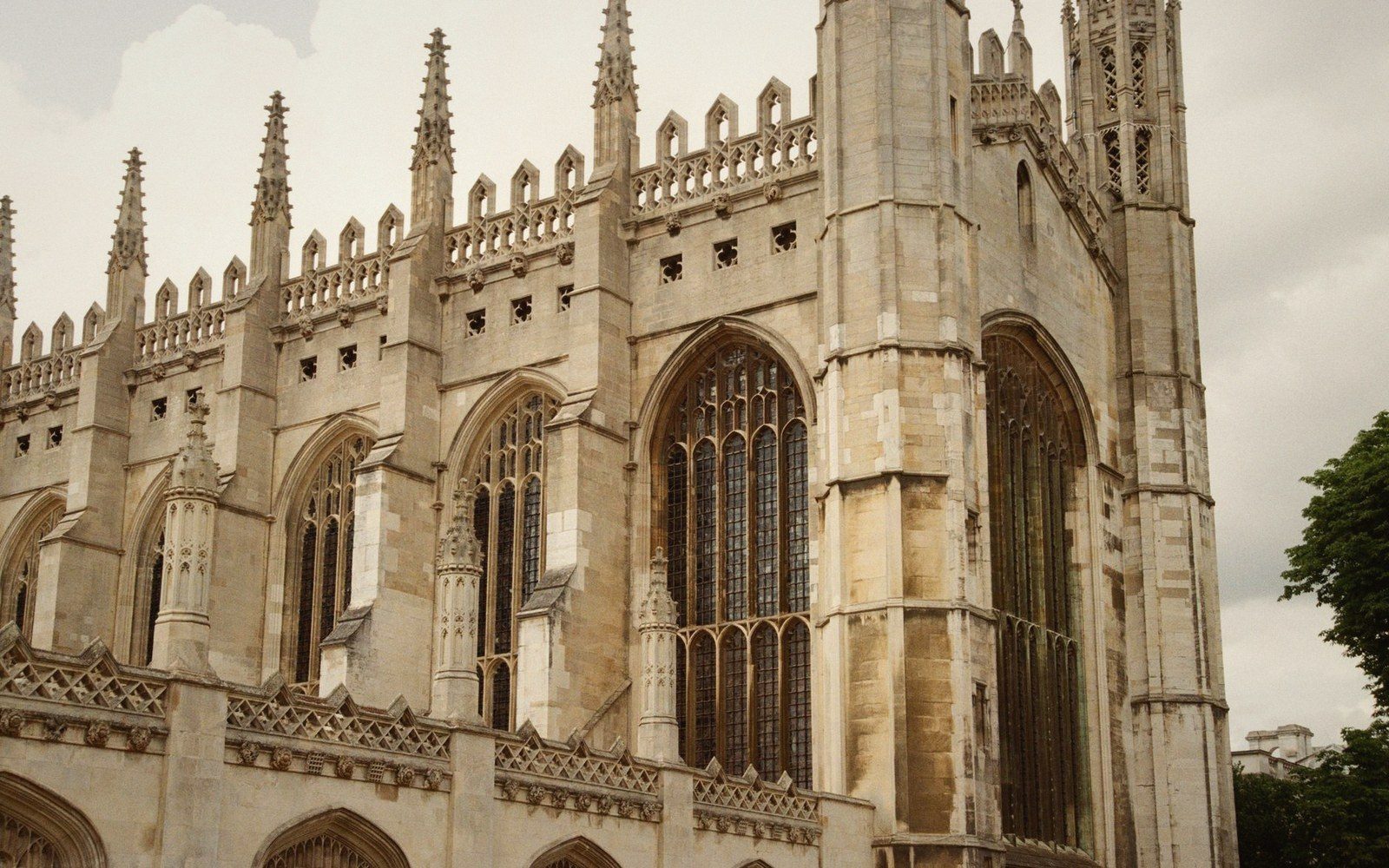
Why the Spire Stayed
When Johns Hopkins opened in 1876 as a research university explicitly modeled on the German secular ideal, it did not open with a chapel. That omission was, at the time, remarkable enough to be controversial. Most American colleges had been founded by Protestant denominations, and the chapel — physically central, vertically dominant — was not merely a building for worship. It was the institution's public face, its claim to moral seriousness, its argument that education and piety were the same project.
Denominational control loosened across the late nineteenth and early twentieth centuries, driven by the growth of federal and state funding, the professionalization of faculties, and the sheer organizational weight of research enterprise. Harvard made chapel attendance voluntary in 1886; many institutions followed in the decades after. The legal ties — board composition requirements, doctrinal statements, curricular mandates — frayed or were formally cut. But the buildings remained. And, more tellingly, new ones went up.
Duke University's chapel, completed in 1932 to designs by Horace Trumbauer and Julian Abele, rises 210 feet above the West Campus quad and dominates every published photograph of the institution. Duke had been Methodist; by the time the chapel was finished, the university had reorganized itself as something considerably more secular in governance and ambition. The building nonetheless announced permanence, tradition, and seriousness in the only architectural vocabulary that donors and trustees of that era found fully convincing — the Gothic idiom that American campuses had been importing from Oxford since the late nineteenth century.
That donor logic is not incidental. Chapels attracted gifts because they were legible to a particular class of philanthropist: wealthy, Protestant in background if not always in practice, convinced that a great university should look like one. The naming of a chapel — or its nave, its windows, its carillon — offered a memorial scale that a laboratory building could not match. The spiritual resonance was partly sincere, partly aesthetic, and substantially transactional.
What the chapel ultimately provided was not a place of worship that a secular institution needed but an architectural anchor that no other building type could supply. A library could be expanded; a laboratory became obsolete. A chapel, cruciform in plan and faced in limestone, signaled that the institution intended to last. Whether students attended services inside it was, institutionally speaking, beside the point.
Also in The Campus
Related clauses